
2026 Agenda
2026 is the year to redesign work for the realities of modern life.
This year's Summit treats women not as a category to be supported, but as the workforce signal that reveals where modern organizations are quietly breaking. The arc of the day is built around a single premise: most organizations are misreading the signals they are already seeing. The retention problem isn't a retention problem. The pipeline isn't a pipeline problem. The benefits gap isn't a benefits gap. Diagnose correctly, and the levers for change become operational and immediate.
In a continued climate of policy pullbacks, DEI disappearance and economic pressure, the cost of misdiagnosis is no longer abstract. It shows up on the balance sheet in attrition, in productivity, and in the leadership pipeline that never quite arrives.
This year’s agenda reflects that evolution.

8:30 - 9:00: Registration & Morning Refreshments
-
Start the day with a full breakfast while you check in and connect with fellow attendees. Fuel your body, energize your mind, and get ready for a full day of fresh thinking, practical insights, and meaningful conversation.
-
-
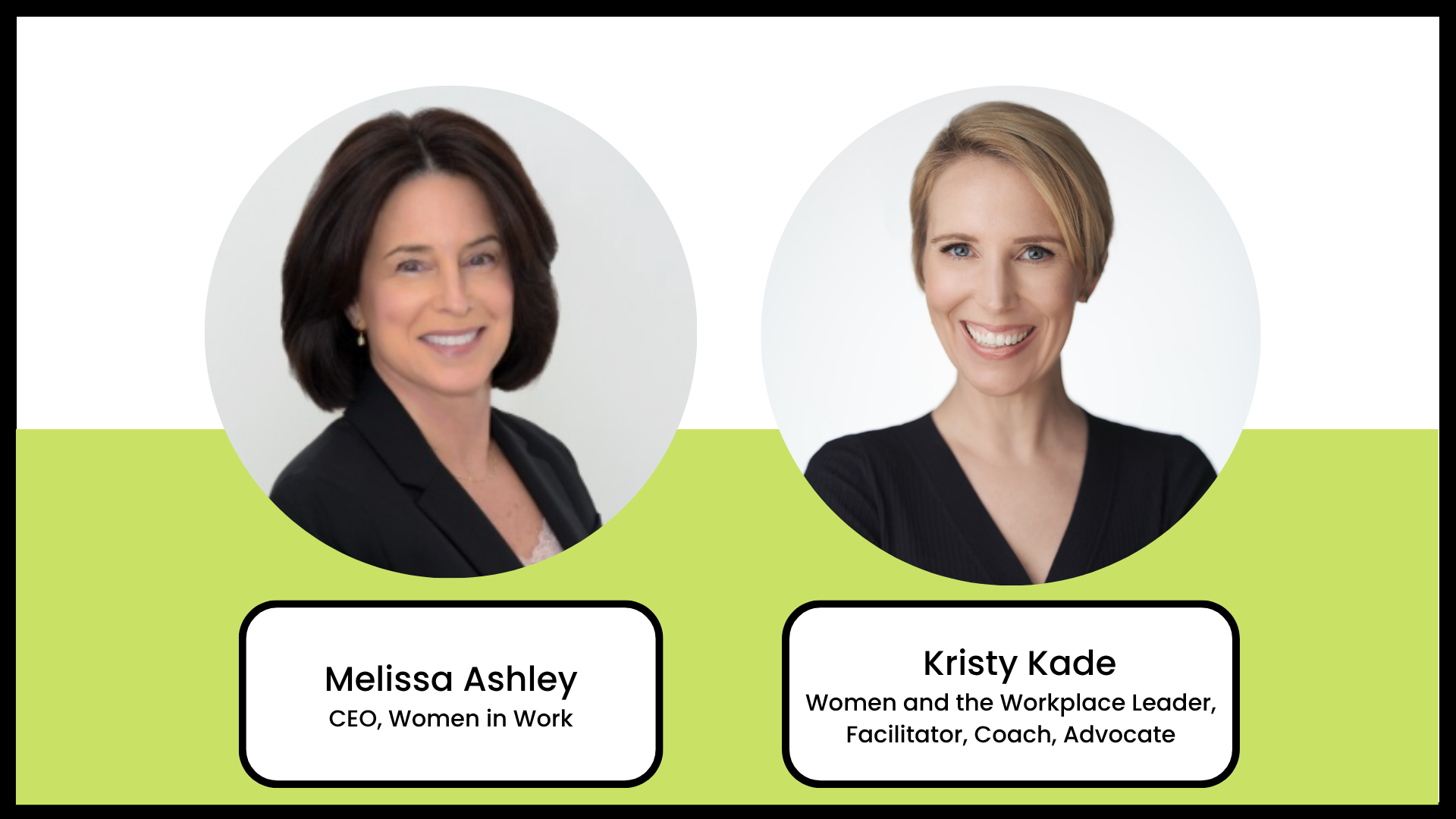
For more than two decades, Kristy Kade has dauntlessly advocated for the health and rights of women and girls around the world. In roles stretching from local organizer to global CEO, Kristy has sparked both policy and social changes in communities and companies across six continents. Furthermore, her work has helped revolutionize how business is conducted within the social impact sector. As co-chair of the global What Women Want campaign, she turned the once radical notion of “asking women” into standard operating procedure for multiple, leading corporations, governments, non-profits, philanthropic foundations, and UN agencies. For every dollar spent asking and advocating what women want, the campaign saw a $212 return on public and private investment in women’s self-identified priorities. Kristy subsequently founded the World We Want project to further expand and embed the practice across issues, populations, and sectors. Kristy has served as a senior advisor to a host of public health and social justice organizations and alliances, such as the Gates Foundation; Partnership for Maternal, Newborn, and Child Health; Special Olympics; UNICEF; UNFPA; UN Women; Women’s Business Collaborative; World Economic Forum Women’s and Girl’s Health Initiative; and W7.
Of the changes Kristy has pursued throughout her life and career, she believes those made within the workplace are among the most powerful. As a collaborative leader of teams, departments, and organizations—both large and small—Krisy has transformed behaviors, processes, and structures to make them better places to work for women, and ultimately better at what they do. A highly skilled strategist and facilitator, Kristy is now committed to helping other organizations and leaders enhance their culture and impact. People spend most of their time at work. We remake work, we remake the world.
9:00 - 9:10: Welcome

9:10 - 9:30: The State of Women at Work: Getting the Diagnosis Right
-
The conversation around women at work has entered a new phase. In this opening keynote, Make Work Fair co-author Siri Chilazi will cut through the headlines with the latest research on where organizations are making measurable progress, where momentum is stalling, and what businesses stand to lose by standing still. Combining evidence, practical insight, and compelling data, this keynote will establish the strategic context for the day ahead and challenge leaders to rethink what it takes to build high-performing, equitable workplaces.
-
Siri Chilazi is a senior researcher at the Women and Public Policy Program at Harvard Kennedy School and an internationally recognized expert in advancing women and promoting gender equity in organizations. As an academic researcher, Siri specializes in identifying practical approaches to close gender gaps at work by de-biasing structures and designing fairer processes. As an advisor and speaker, she collaborates with organizations including start-ups, large multinational companies, top professional services firms, governments, non-profits, and academic institutions to advance gender equality through evidence-based insights. Siri’s work regularly appears in leading media outlets and she has spoken on gender equality at hundreds of large events around the world. Siri is the coauthor, with Iris Bohnet, of the award-winning book Make Work Fair: Data-Driven Design for Real Results (HarperCollins, 2025). She has an MBA from Harvard Business School, a Master in Public Policy from Harvard Kennedy School, and a BA in Chemistry and Physics from Harvard College.
9.30 - 10.00: Misdiagnosis: Why Your Retention Strategy Isn’t Working
-
Organizations have invested heavily in flexibility, mentorship, leadership development, and workplace culture. Yet women continue to leave early in their careers, at mid-level, and just as they reach senior leadership. Different reasons are cited. The pattern remains the same.
What if the problem isn't your retention strategy, but your diagnosis?
Drawing on Mount Sinai Health System's clinical expertise and new workplace research from RMHCompass spanning more than 150 organizations, this session will examine how many companies are misinterpreting the warning signs of disengagement, underperformance, and attrition while overlooking one of the most significant drivers of women's workforce experience: health.
From menstruation and fertility through pregnancy, postpartum, perimenopause, menopause, and beyond, biological transitions shape careers in ways most workplace systems fail to recognize or measure. The result is missed opportunities, preventable talent loss, and unnecessary business costs.
This session will challenge leaders to rethink the root causes behind their workforce data and explore what becomes possible when organizations address the underlying issue rather than the symptoms.
-
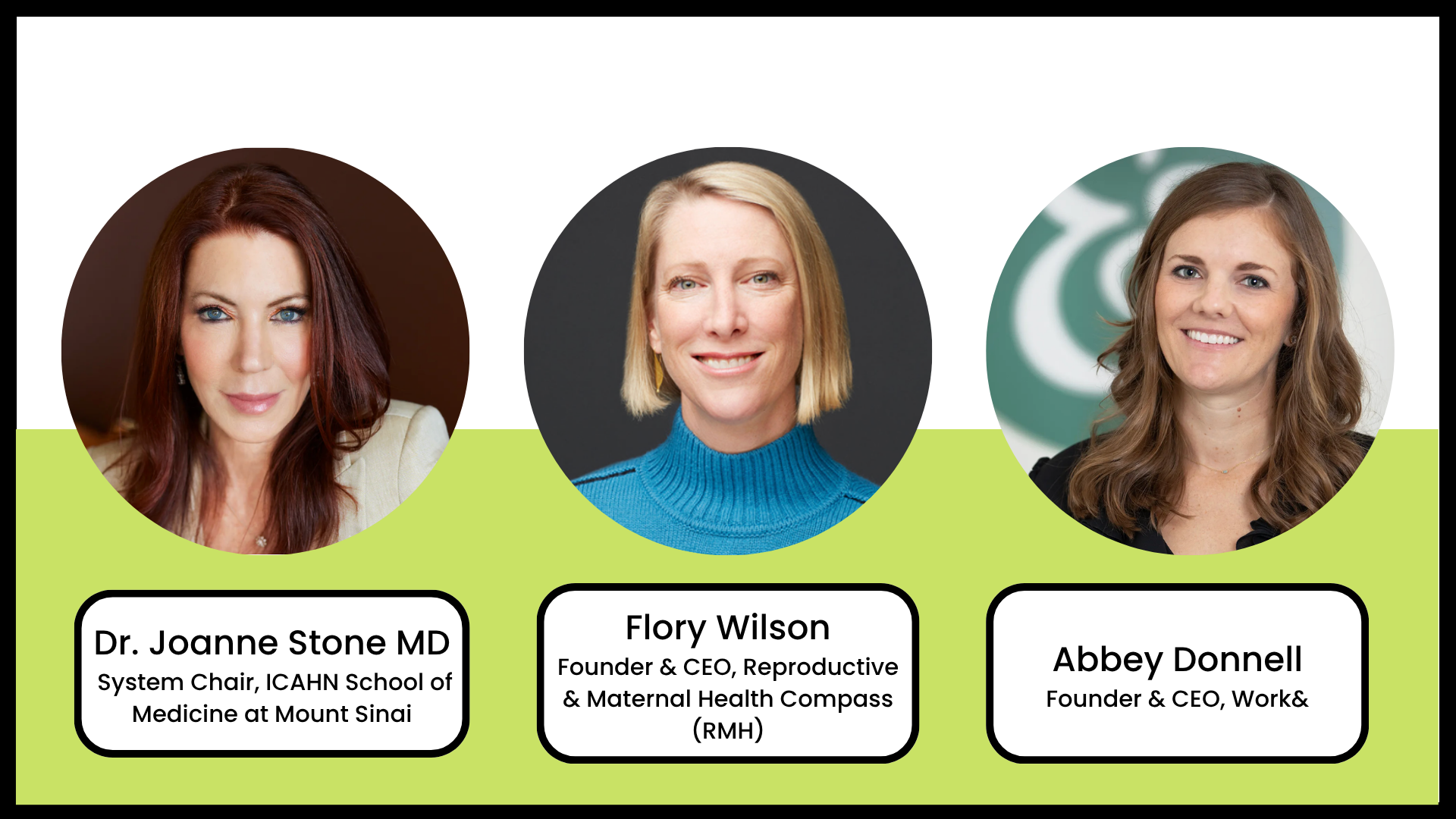
Joanne Stone, MD, MS, is the System Chair of the Raquel and Jaime Gilinski Department of Obstetrics, Gynecology and Reproductive Science at the Icahn School of Medicine at Mount Sinai. Dr. Stone is a well-known expert in the field of maternal-fetal medicine and previously served as the Maternal-Fetal Medicine Division Director and Fellowship Director for the Mount Sinai Health System. Currently, she serves as the Director of the Mount Sinai-Rainbow Clinic that provides enhanced prenatal care following stillbirth.
Dr. Stone’s clinical interests are in multiple gestations, perinatal loss, prenatal diagnosis, and invasive fetal procedures. Her research interests span the gamut of multifetal pregnancies, labor induction, and ultrasound. She has also conducted several randomized trials, expanding knowledge on the important topics of cervical ripening, safe labor induction, and reducing surgical site infections in patients undergoing scheduled cesarean deliveries. She currently serves as the co-Principal Investigator for the Generation C Study, evaluating pregnancy outcomes during the COVID-19 pandemic. Dr. Stone continues to have a busy consultative and clinical practice, specializing in the care of high-risk pregnancies, as well as being active in teaching.
Dr. Stone is a Past-President of the Society for Maternal-Fetal Medicine (SMFM) and serves on the Board for the Foundation for SMFM. She also serves on the Board of the Gottesfeld-Hohler Memorial Foundation, the PUSH for Empowered Pregnancy Advisory Board, and is Chair of the Sonography Community for the American Institute of Ultrasound in Medicine (AIUM). She previously served on the Executive Board of the American College of Obstetricians and Gynecologists (ACOG). Dr. Stone currently serves as the immediate past President for Mount Sinai Faculty Council. She also was the recipient of the prestigious Jacobi Medallion at Mount Sinai in 2022. Dr. Stone is an associate editor of the American Journal of Obstetrics & Gynecology and the co-author of the books Pregnancy for Dummies and The Pregnancy Bible. She has been named both a Castle Connolly/New York Magazine Top Doctor and a New York Times Magazine Super Doctor each year for more than a decade.
Dr. Stone received her medical degree from Columbia University’s College of Physicians and Surgeons. She completed her residency and fellowship in maternal-fetal medicine at the Icahn School of Medicine at Mount Sinai, and continued as full-time faculty. She also holds a master’s degree in healthcare delivery and leadership from Icahn Mount Sinai.
-
Abbey Donnell is the Founder and CEO of Work&, which turns a legal requirement — PUMP Act and PWFA compliance — into a wellness platform employees actually use. Work& designs, installs, and manages private lactation suites (Work&Mother), wellbeing spaces (Work&Wellbeing), and advanced onsite/virtual care (Work&Health) across corporate offices, distributed worksites, and commercial real estate portfolios, all run through Amp, Work&'s proprietary booking and benefits-navigation platform. Work& is trusted by leading employers including McKesson, Anthropic, L'Oréal, and Brookfield Properties, converting underused square footage into measurable engagement and reducing legal exposure for HR, Legal, and Real Estate teams alike.
Prior to founding Work&, Abbey built her career in marketing and brand strategy. She holds a BS in Advertising and BA in Spanish from the University of Colorado at Boulder, and an MBA from Rice University. Abbey is also a working mother to three young children, bringing direct, lived experience to the problems Work& is built to solve.
-
Flory Wilson is a systems-change leader dedicated to proving that reproductive, maternal and parental health is a cornerstone of corporate growth. As the founder of Reproductive & Maternal Health Compass (RMH Compass), she helps companies gain a competitive edge by benchmarking and strengthening their health plan offerings and workplace policies.
She equips employers to support the full life-cycle of reproductive health - from family formation to menopause - as a critical driver of business success. At scale, her goal is for business norms to shift, ensuring all workers have access to the RMH care they need to thrive. An economist and early architect of the B Corp movement, Flory holds an MA in international economics and resides with her family in Brooklyn NY.

10:00 - 10:30: The Hidden Workload: Why Mental Load Matters at Work
-
Organizations have made meaningful progress in addressing visible workplace barriers. Yet one of the most significant influences on women's careers often goes unseen: mental load - the constant cognitive work of planning, anticipating, coordinating, and managing responsibilities both at work and at home.
In this session, sociologists Dr. Leah Ruppaner and David Smith PHD, whose research has helped shape today's understanding of mental load, explore how this invisible labor affects productivity, career progression, burnout, leadership readiness, and long-term retention.
Drawing on research and real-world implications, they will examine why mental load continues to fall disproportionately on women, how it impacts organizational performance, and what employers can do to better recognize and address this often-overlooked dimension of work. As organizations compete for talent across a multigenerational workforce, understanding mental load is becoming a strategic leadership imperative.
This session is moderated by Kacy Fleming.
-
Leah Ruppanner is a Professor of Sociology at the University of Melbourne and runs Lighten Lab. She authored Drained: Reduce Your Mental Load to Do Less and Be More which is based on decades of her research and over 70 peer-reviewed articles on gender, work and family. She is committed to understanding how women’s unpaid work – the time they spend in housework, childcare and the mental load – impacts their ability to engage in employment, sleep and overall well-being. Her ultimate goal is to use this research to help women gain control over their time to spend it exactly as they wish – to create more meaning, love and joy in our lives.
-
David Smith, PhD, is co-author of the book, Good Guys: How Men Can Be Better Allies for Women in the Workplace and Associate Professor at the Johns Hopkins Carey Business School. A former Navy pilot, Dr. Smith’s career included squadron command in combat and flying over 3,000 hours over 30 years. As a sociologist, his research focuses on gender, work, and family issues including allyship, inclusive mentorship, gender bias in performance evaluations, and dual career families. He is co-author of Athena Rising: How and Why Men Should Mentor Women and scholarship related to gender and the workplace.
-
Kacy Fleming, M.A. is a social impact entrepreneur, workplace researcher, and founder of The Fuchsia Tent, a workplace research and consulting organization focused on menopause, and Kacy Fleming Consulting, a strategic practice delivering leadership development and workplace strategy to organizations globally. With over 20 years in biopharmaceuticals and a Master’s in Organizational Psychology, she conducts national-scale research and works at the intersection of clinical evidence, employer coalitions, and pharmaceutical innovation.
As Head of Global Well-Being at Takeda, Kacy built strategy for 50,000+ employees across 80+ countries, earning three consecutive Business Group on Health Awards. At Sanofi, she held an 11-year progressive career spanning market access, health economics, and organizational well-being. Her recent contributions include the 3H Framework™ for workplace menopause support and the 3Cs Method™ of Compassionate Leadership, evidence-based approaches that help organizations move from awareness to systemic implementation.
A TEDx speaker, LinkedIn Top Voice, and frequent corporate speaker, Kacy has delivered 20+ keynotes globally and serves on advisory boards for RMH Compass, Let’s Talk Menopause, Menopause Mandate, and Airvet. Her work has been featured in Forbes, Business Insider, Daily Mail, and leading wellbeing publications.
Websites: kacyfleming.com and thefuchsiatent.com
Instagram: @kca_fleming and @thefuchsiatent
LinkedIn: linkedin.com/in/kasingact


10:30 - 11:00: Networking Break
-
Take a moment to recharge, reflect on the morning’s insights, and connect with fellow attendees. Exchange ideas, make new connections, and continue the conversation over refreshments.
11:00 - 11:30: Workforce Strategy: Supporting the Person Behind the Employee
-
Following on the heels of the previous discussion which explores the invisible cognitive labor that disproportionately falls on women and quietly shapes productivity, burnout, and career progression. This conversation picks up where that discussion leaves off by examining what mental load looks like in practice inside today’s workforce and what employers can actually do about it.
In this session, Emily Klingbeil, Founder & CEO of HiPhoebe, will speak with Lindsay Jurist-Rosner, CEO of Wellthy, and one of Wellthy’s enterprise clients about how caregiving responsibilities, including parenting, eldercare, chronic illness, and family care coordination, are impacting workforce participation, retention, and employee capacity in real time.
Together, they’ll explore practical examples of how organizations are beginning to rethink support for working caregivers, where traditional benefits models fall short, and what strategies are proving most effective in helping employees better navigate the growing demands they carry outside of work.
This discussion moves beyond theory to provide actionable insight into how organizations can reduce hidden workforce strain while improving retention, continuity, and overall workforce sustainability.
-
Lindsay Jurist-Rosner is the co-founder and CEO of Wellthy, a market-leading care
concierge company revolutionizing the way families care for their loved ones and themselves.
Wellthy is the leading platform for personalized care support and flexible backup care — helping
employees and families access, secure, and manage care across elder care, childcare, chronic
conditions, mental health challenges, and more. Millions of families have direct access to
Wellthy through some of the largest employers and health plans across the country, including
Best Buy, Cisco, Hilton, UnitedHealth Group, Google, and Meta.
With Wellthy, Lindsay is building the company she needed throughout the 28 years she cared
for her mother. Today Wellthy has more than 300 staff working to support family caregivers.
Wellthy has been named one of Fast Company’s “Most Innovative Companies” and one of the
magazine’s “Top 10 Most Innovative Workplace Companies,” and Lindsay herself was named
one of 50 Changemakers by CNBC, as well as being named to Inc. Magazine’s “Female
Founders 200” list celebrating dynamic women entrepreneurs. In 2025, Wellthy completed the
acquisition of Patch Caregiving, expanding its childcare and backup care capabilities through
on-site and near-site Patch Sites across the country.
Prior to founding Wellthy, Lindsay was in the advertising technology and media industries with
responsibilities and leadership in marketing, product, and sales. She served as the Senior Vice
President of Marketing for NY-based advertising technology startup Simulmedia, ran Marketing
Research at Machinima, and worked in product and strategic marketing at Microsoft.
Lindsay received an MBA from the Harvard Business School and a BA in
Economics-Operations Research from Columbia University. She's written for Fortune, Good
Housekeeping, Employee Benefit News, and more, and has spoken at numerous panels and
conferences, including most recently at the Consumer Electronics Show (CES) in Las Vegas
and the Wall Street Journal Health Forum.
She serves on the Board of Hilarity for Charity (HFC) a non-profit dedicated to supporting
Alzheimer's caregivers and founded by comedian Seth Rogen and his wife Lauren Miller Rogen.
Lindsay lives in New York City with her husband and four kids.
-
Victoria Pavlov is the Vice President of Global Benefits at Hearst where she leads the Health & Welfare and Retirement teams.
Previously, Victoria was Vice President of Global Benefits at Nielsen. In this role, Victoria lead US and global benefits and retirement programs for 15,000 to 46,000 employees in more than 100 countries. Prior to Nielsen, she served as the Director of Health and Wellbeing for American Express.
Victoria spent over 15 years as a consultant advising large US multinationals on their benefits strategy and design.
Victoria holds a Bachelor of Commerce degree from the Telfer School of Management at the University of Ottawa (Canada).
-
Emily Klingbeil is the founder and CEO of Phoebe, a leading coaching and support platform helping working parents thrive at every stage — from expecting, through parental leave and return to work, to the long game of managing a career alongside a growing family.
Emily built Phoebe on a simple but overlooked insight: most of what working parents need isn't clinical. It's coaching, community, the right support at the right time, and the integration of care and career. Phoebe meets people where they are and helps them perform at their best both at home and at work, enabling organizations to retain talent and expand their leadership pipelines.
Since 2019, Phoebe has supported thousands of working parents across the U.S., Canada, UK, and Europe, and has become a trusted partner to leading firms across finance, law, energy, and professional services.
Prior to Phoebe, Emily spent 15 years in global finance, with expertise in private placements, mergers and acquisitions, equity research, and investor relations. She co-led complex cross-border transactions as an investment banker and later led investor relations for a multinational beverage company, engaging with thousands of institutional investors worldwide. Emily became a mother during that time, giving her a firsthand understanding of the high-performance environments Phoebe serves.
She holds an MBA from Harvard Business School, is a Rock Health Digital Health Innovator, and was named an Aspen Ideas Health Fellow. She is based in New York City.
11.30 - 12:15: Designing Work for a 60-Year Career
-
People are living longer, working longer, and navigating careers that span five or six decades rather than three or four. Yet most workplace systems, from hiring and promotion to benefits, leadership development, and retirement planning, remain built for a very different era.
The result is a growing disconnect between how careers actually unfold and how organizations continue to manage talent. Midlife attrition, leadership shortages, burnout, and the loss of experienced employees are increasingly symptoms of workforce models that have failed to evolve.
This session will explore how forward-thinking organizations are redesigning work for longer, less linear careers by reimagining career pathways, investing in continuous development, supporting health and wellbeing across every life stage, and creating leadership pipelines that reflect the realities of today's workforce.
Viewed through the lens of women's careers, where longevity, caregiving, and midlife health transitions often intersect most visibly, this conversation will examine what it takes to build organizations that can attract, develop, and retain talent over the course of a 60-year career.
-
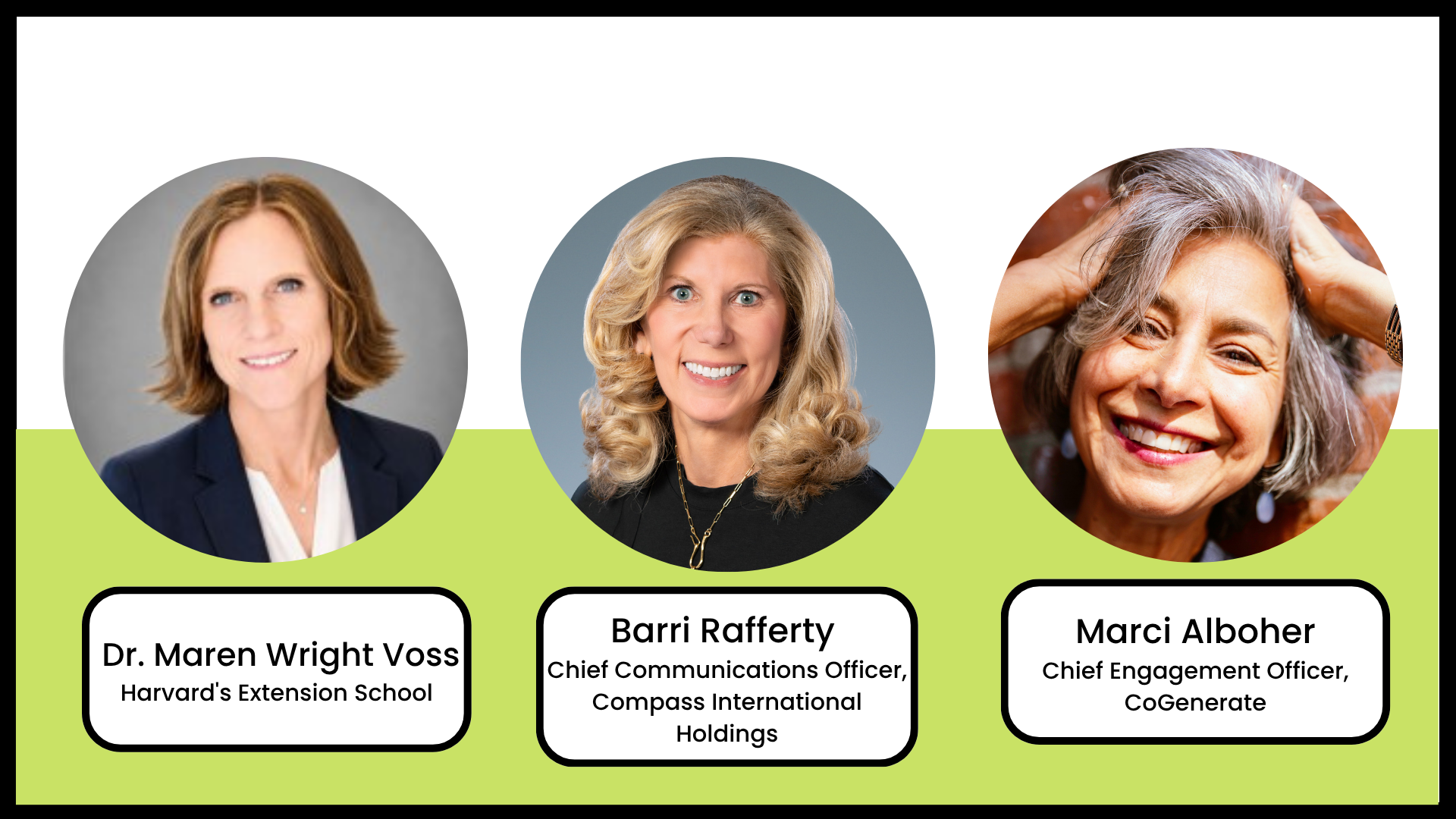
Dr. Voss is an organizational scientist specializing in worker wellbeing, human flourishing, and the science of engagement. She currently serves as an instructor on the Science of Happiness at Harvard's Extension School and brings more than 15 years of experience leading research in behavioral science, occupational studies, and public health.
Dr. Voss is a visiting scholar at Queen's Business School and a Fulbright Specialist. She has authored more than 50 peer-reviewed and practitioner articles and has advised leaders across sectors on how to design workplaces that support both performance and human flourishing.
-
Barri oversees corporate enterprise communications driving alignment, reputation, and growth for the company. She ensures our nine brand communications teams can deliver best-in-class results for each brand while also creating efficiency and effectiveness for shared enterprise initiative across the holding company.
She is an accomplished global executive, having served as CEO of Ketchum, a top 10, $400M+ communications firm, led communications and brand management at Wells Fargo, helping rebuild trust and strengthen the iconic brand, and was CEO Americas at Sodali & Co, a stakeholder engagement firm.
Known for advising C-suite leaders, Barri drives brand value, navigates complex reputation issues, transforms cultures, and delivers growth through modern go-to-market strategies and digital transformation.
She is an executive sponsor of “What Moves Her” and is a passionate advocate for diversity, equity, and inclusion, with a strong track record of building cultures of belonging. She is also a sought-after speaker and thought leader, having spoken at among others, the World Economic Forum, Web Summit and TEDx.
-
Marci Alboher, an authority on career issues and workplace trends, is the Chief Engagement Officer (CxO) at Generate. Marci’s current focus is on the power of connecting, collaborating and innovating across the generations. A former blogger and columnist for The New York Times, her latest book is The Encore Career Handbook: How to Make a Living and a Difference in the Second Half of Life. Marci is regularly called upon for commentary in media outlets around the world, and she has been interviewed by countless news organizations, including NBC’s Today and Nightly News, National Public Radio, and USA Today. She is a mentor-editor for The OpEd Project, on the faculty of the Modern Elder Academy and Union Theological Seminary’s Encore Transition Program, and serves as an Advisor to Able News and to the NYU Stern Initiative on Purpose and Flourishing. A few careers ago, she spent a decade (rather unhappily!) practicing law. She lives in New York City with her husband Jay. You can find her on LinkedIn.
Learn more about The Encore Career Handbook.
12:15 - 12:45 : Three Health Inflection Points That Shape Women's Careers
-
Women's careers are often viewed through the lens of skills, performance, and opportunity. Yet across a lifetime, three critical health inflection points can profoundly influence career progression, productivity, leadership, and long-term workforce participation.
In this session, clinical experts from Mount Sinai Health System will explore the health transitions that shape women's working lives, from reproductive health in the early career years, to cardiovascular health in midlife, to menopause and healthy aging later in life. While these issues are often treated separately, together they tell a much larger story about workforce performance and the evolving needs of today's employees.
By better understanding how health influences women's careers over time, leaders will gain a new lens for interpreting workforce behaviors and a deeper appreciation for why women's health has become an essential component of talent strategy, leadership development, and long-term business performance.
-
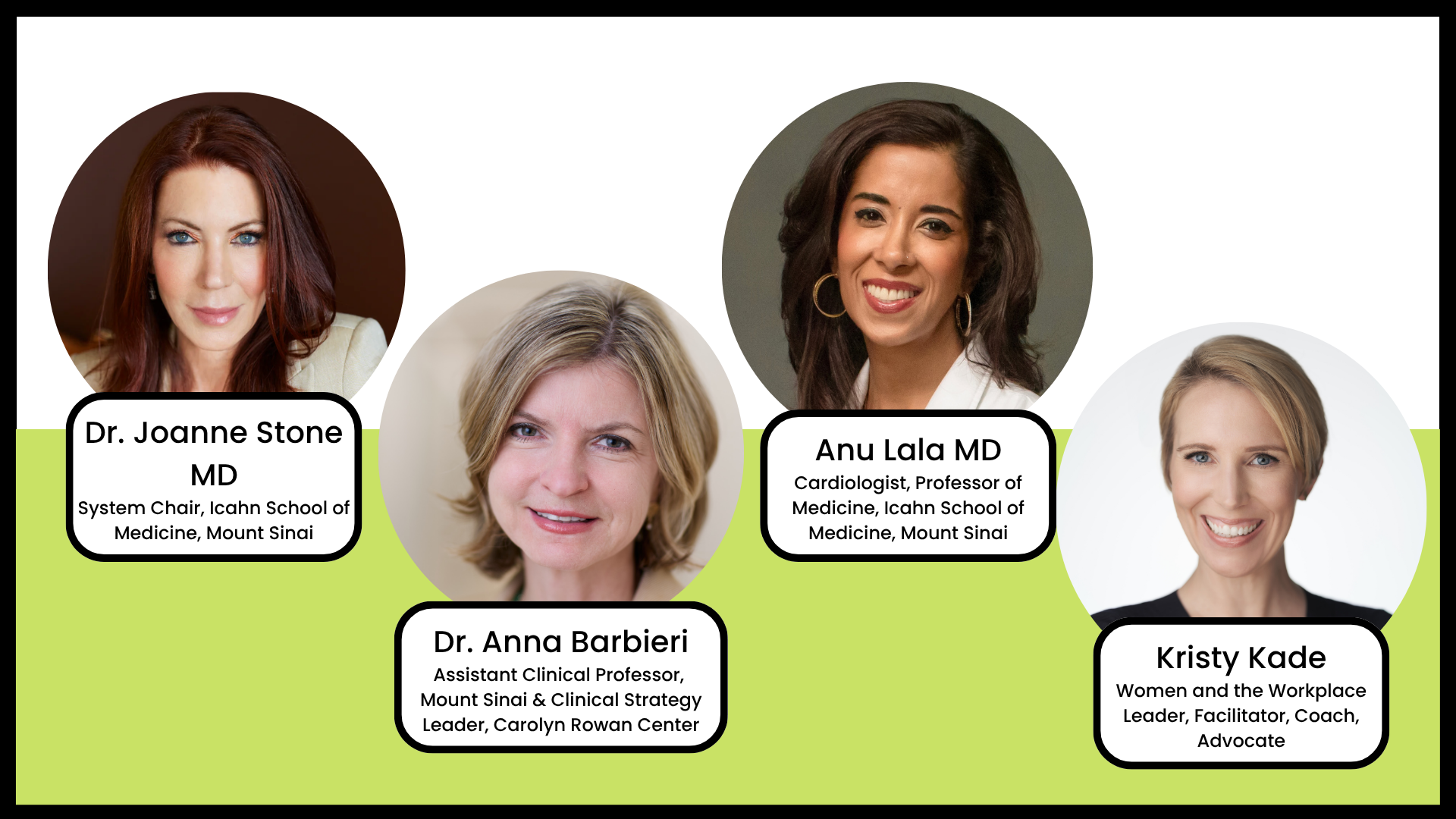
Joanne Stone, MD, MS, is the System Chair of the Raquel and Jaime Gilinski Department of Obstetrics, Gynecology and Reproductive Science at the Icahn School of Medicine at Mount Sinai. Dr. Stone is a well-known expert in the field of maternal-fetal medicine and previously served as the Maternal-Fetal Medicine Division Director and Fellowship Director for the Mount Sinai Health System. Currently, she serves as the Director of the Mount Sinai-Rainbow Clinic that provides enhanced prenatal care following stillbirth.
Dr. Stone’s clinical interests are in multiple gestations, perinatal loss, prenatal diagnosis, and invasive fetal procedures. Her research interests span the gamut of multifetal pregnancies, labor induction, and ultrasound. She has also conducted several randomized trials, expanding knowledge on the important topics of cervical ripening, safe labor induction, and reducing surgical site infections in patients undergoing scheduled cesarean deliveries. She currently serves as the co-Principal Investigator for the Generation C Study, evaluating pregnancy outcomes during the COVID-19 pandemic. Dr. Stone continues to have a busy consultative and clinical practice, specializing in the care of high-risk pregnancies, as well as being active in teaching.
Dr. Stone is a Past-President of the Society for Maternal-Fetal Medicine (SMFM) and serves on the Board for the Foundation for SMFM. She also serves on the Board of the Gottesfeld-Hohler Memorial Foundation, the PUSH for Empowered Pregnancy Advisory Board, and is Chair of the Sonography Community for the American Institute of Ultrasound in Medicine (AIUM). She previously served on the Executive Board of the American College of Obstetricians and Gynecologists (ACOG). Dr. Stone currently serves as the immediate past President for Mount Sinai Faculty Council. She also was the recipient of the prestigious Jacobi Medallion at Mount Sinai in 2022. Dr. Stone is an associate editor of the American Journal of Obstetrics & Gynecology and the co-author of the books Pregnancy for Dummies and The Pregnancy Bible. She has been named both a Castle Connolly/New York Magazine Top Doctor and a New York Times Magazine Super Doctor each year for more than a decade.
Dr. Stone received her medical degree from Columbia University’s College of Physicians and Surgeons. She completed her residency and fellowship in maternal-fetal medicine at the Icahn School of Medicine at Mount Sinai, and continued as full-time faculty. She also holds a master’s degree in healthcare delivery and leadership from Icahn Mount Sinai.
-
Anna Barbieri, MD, is an Assistant Clinical Professor in the Raquel and Jaime Gilinski Department of Obstetrics, Gynecology and Reproductive Science at the Icahn School of Medicine at Mount Sinai. Dr. Barbieri is a dual board-certified gynecologist and integrative medicine physician as well as a specialist in menopause medicine. Her passion is personalized, patient-centered, modern and holistic care of women, informed by the most up-to-date women’s health research. From preventive care to complex gynecologic issues, Dr. Barbieri partners with her patients to help them maintain or restore optimal hormonal and gynecologic health. She has special expertise in helping women navigate perimenopause and menopause by focusing on each patient with customized nutrition and lifestyle advice, as well as use of hormonal therapies and non-hormonal interventions.
Dr. Barbieri is a Fellow of the American College of Obstetricians and Gynecologists and is a Menopause Society certified menopause practitioner. She is also a graduate of the Andrew Weil Fellowship in Integrative Medicine and is certified by the American Board of Integrative Medicine. Dr. Barbieri is the founding physician of Elektra Health, a digital menopause education and support company.
-
Anuradha (Anu) Lala-Trindade (Lala), MD, is a widely recognized cardiologist, Professor of Medicine at the Icahn School of Medicine at Mount Sinai, and a leader in women’s cardiometabolic health and integrative cardiovascular care. At the Carolyn Rowan Center for Women’s Health and Wellness at Mount Sinai, she focuses on helping women navigate the profound cardiometabolic changes of midlife with the goal of optimizing health span and preventing cardiovascular disease.
Dr. Lala’s approach brings together rigorous, evidence-based medicine with the principles of integrative and whole-person care. Her work explores how traditional cardiovascular risk factors intersect with hormonal transitions, metabolism, sleep, movement, nutrition, emotional well-being, stress, and the mind-body connection. She is completing advanced fellowship training in Integrative Medicine through the Andrew Weil Center for Integrative Medicine and has a particular interest in how mindfulness and spiritual well-being can complement—not replace—evidence-based cardiovascular prevention.
An internationally recognized academic cardiologist, Dr. Lala is Co-Editor-in-Chief of the Journal of Cardiac Failure and has held leadership roles across the American Heart Association, American College of Cardiology, and Heart Failure Society of America. She is a widely published investigator, educator, and speaker.
At the center of her work is a simple belief: health is more than the absence of disease. The goal is to help women understand their cardiovascular biology, honor the interconnectedness of mind, body, and spirit, and use the best of modern science to live longer, healthier, and more fully.
-
For more than two decades, Kristy Kade has dauntlessly advocated for the health and rights of women and girls around the world. In roles stretching from local organizer to global CEO, Kristy has sparked both policy and social changes in communities and companies across six continents. Furthermore, her work has helped revolutionize how business is conducted within the social impact sector. As co-chair of the global What Women Want campaign, she turned the once radical notion of “asking women” into standard operating procedure for multiple, leading corporations, governments, non-profits, philanthropic foundations, and UN agencies. For every dollar spent asking and advocating what women want, the campaign saw a $212 return on public and private investment in women’s self-identified priorities. Kristy subsequently founded the World We Want project to further expand and embed the practice across issues, populations, and sectors. Kristy has served as a senior advisor to a host of public health and social justice organizations and alliances, such as the Gates Foundation; Partnership for Maternal, Newborn, and Child Health; Special Olympics; UNICEF; UNFPA; UN Women; Women’s Business Collaborative; World Economic Forum Women’s and Girl’s Health Initiative; and W7.
Of the changes Kristy has pursued throughout her life and career, she believes those made within the workplace are among the most powerful. As a collaborative leader of teams, departments, and organizations—both large and small—Krisy has transformed behaviors, processes, and structures to make them better places to work for women, and ultimately better at what they do. A highly skilled strategist and facilitator, Kristy is now committed to helping other organizations and leaders enhance their culture and impact. People spend most of their time at work. We remake work, we remake the world.


12:45: Lunch
-
Join us for a seated lunch followed by a lively conversation exploring the Reinvention Economy. The discussion will center around why and how midlife women are just getting started, starting over, and creating what comes next. Get your questions ready as there will be time for audience Q&A.
1:05 -2:00: Lunch Panel - The Reinvention Economy: Why Midlife Women Are Just Getting Started
-
For generations, midlife was portrayed as a period of slowing down. Today, a growing number of women are proving the opposite. They are launching businesses, changing careers, pursuing long-held ambitions, embracing new identities, and redefining success on their own terms.
Sponsored by Menopause Mandate, this candid luncheon conversation brings together an inspiring group of women to explore the realities of reinvention during midlife. From career pivots and personal transformation to changing relationships, evolving priorities, and renewed purpose, the discussion will examine why this stage of life is becoming one of the most dynamic periods of growth. …and what it means for the future of work.
-
Constance Zimmer is an advocate, podcast host “Talk Fifty To Me,” director, and an Emmy-nominated, Critic’s Choice-winning actress for portraying Quinn on UnREAL. Known for her portrayal of strong, no-nonsense women, seen most recently on Ryan Murphy's Love Story and David E. Kelley’s The Lincoln Lawyer, she is using her platform to raise awareness about changing the narrative around women and aging. Inspired by “The Vagina Monologues,” and teaming up with Abby Epstein (documentary filmmaker and theater director) they’re creating “The Midlife Monologues” (in development) and also co-directing a documentary, HER SECOND ACT, alongside launching The Midlife Collective with Julie Flakstad. The Collective has been on tour with their “Dressing Room Confessions,” gathering and sharing stories nationwide, helping give knowledge and supportive spaces to various communities who are navigating this journey in EVERY woman’s life.
-
Carolyn Rowan is an entrepreneur, and visionary dedicated to transforming the future of women's healthcare. As the founder of the Carolyn Rowan Center for Women's Health and Wellness at Mount Sinai, she is leading a movement to redefine how women experience healthcare, creating a first of its kind destination where world renowned physicians, cutting-edge medicine, and integrative wellness come together under one roof.
Carolyn joined the Mount Sinai Board of Trustees in 2023, bringing with her a lifelong passion for health, wellness, and innovation. She believes the future of medicine lies not only in treating disease but in empowering women with the knowledge, resources, and support to live healthier, longer lives. Under her vision, the Carolyn Rowan Center is helping Women navigate health through all decades by elevating preventative care, longevity and others into national conversations while advancing research that will improve the health of future generations.
Beyond healthcare, Carolyn is the founder of Carolyn Rowan Collection, a luxury lifestyle brand inspired by timeless elegance, craftsmanship, and purposeful living. Across all of her ventures, she is guided by a commitment to creating experiences that empower women to live with confidence, beauty, and well-being.
Carolyn's vision is simple yet transformative:
"Imagine a wellness center for women where you know you're getting the very best care—where every doctor, every interaction, and every experience is designed entirely around you."
Through that vision, she is helping build what she believes will become the gold standard for women's healthcare.
-
Ada Calhoun is the author of several acclaimed books, including the instant New York Times bestseller Why We Can't Sleep: Women's New Midlife Crisis, an expansion of her viral story for Oprah.com about the unique circumstances faced by Generation X women in midlife. Why We Can’t Sleep was one of the biggest books of the season according to the New York Times, Parade, and O magazine; it was translated into multiple foreign languages. Her next book, Welcome to the Club, a memoir about finding connection and reinvention by joining social clubs as her fiftieth birthday approached, is due out from Viking in Spring 2027.
-
Lauren Tetenbaum, LCSW, JD, PMH-C, MSCP is a licensed clinical social worker, women's rights advocate, and writer dedicated to supporting and empowering women through life transitions. With experience as both a lawyer and a psychotherapist, Lauren specializes in counseling women navigating identity shifts related to motherhood, career changes, and reproductive health. Lauren frequently contributes thought leadership to media and professional organizations; she is the author of the acclaimed 2025 book Millennial Menopause: Preparing for Perimenopause, Menopause, and Life's Next Period. Lauren is also a mom of two who lives with her family outside of her native New York City. Learn more about Lauren at thecounseLaur.com or on Instagram (@thecounselaur).
2:00 - 2:45: The Last Mile: Why Leadership Pipelines Still Break at the Top
-
Organizations have spent decades investing in leadership development, succession planning, mentorship, and sponsorship to advance more women into senior leadership. While these efforts have expanded the pipeline, the final step remains the most elusive. The closer women get to the top, the fewer make it through.
Why?
In this candid conversation, accomplished executives will examine why leadership pipelines continue to narrow at the highest levels despite years of investment and good intentions. Drawing on their own experiences leading large, complex organizations, they will explore how leadership potential is evaluated, how visibility and sponsorship influence executive advancement, and where structural and cultural barriers continue to shape who reaches the CEO role.
This discussion will move beyond the familiar conversation about pipelines to focus on what organizations must do differently to identify, develop, and advance the next generation of women leaders.
-
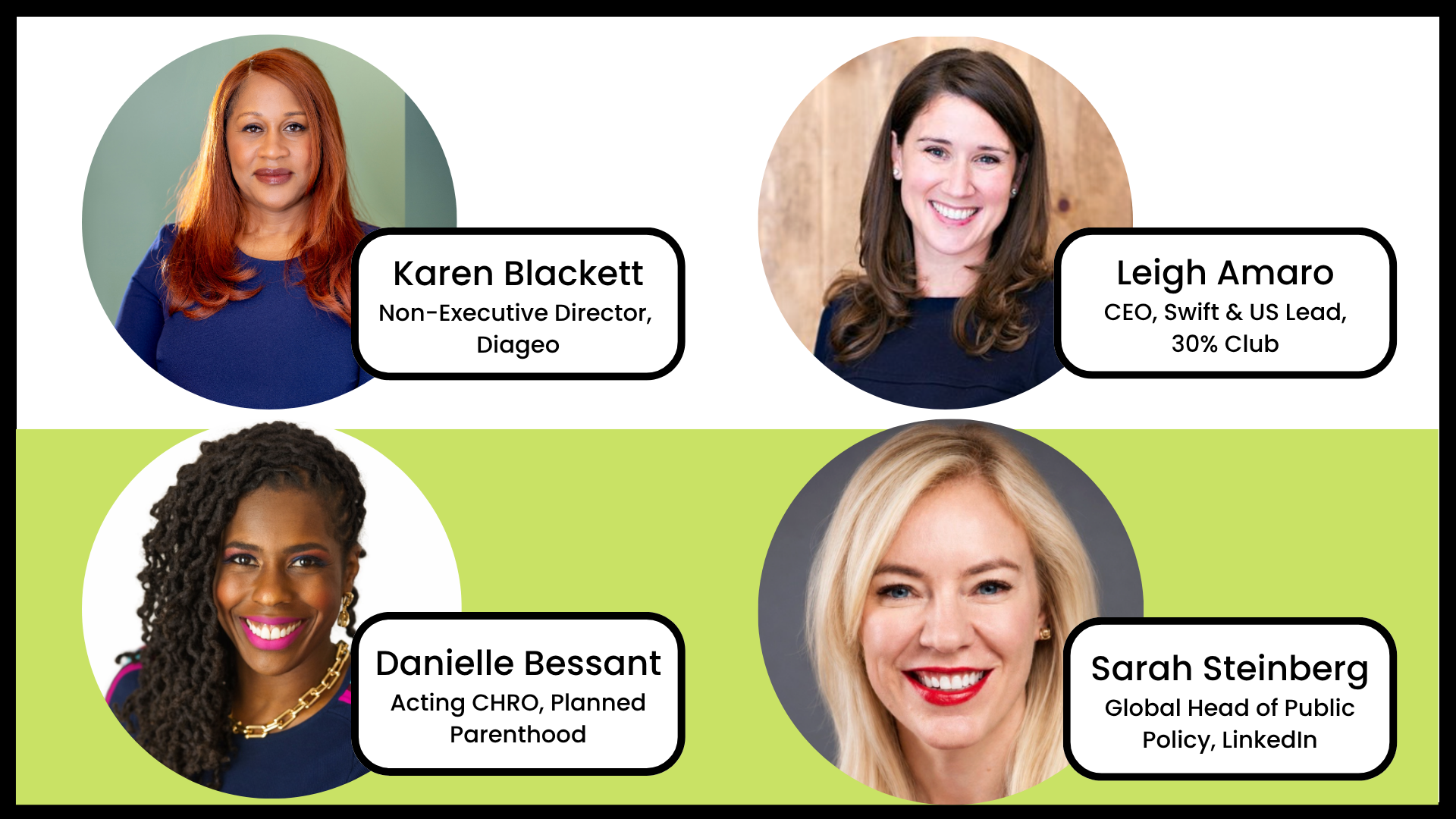
Danielle Bessant is the Interim Chief People, Culture & Equity Officer at Planned Parenthood
Federation of America (PPFA), where she leads workforce strategy, organizational effectiveness,
leadership development, labor relations, and culture transformation for a nationally distributed
workforce. She partners with senior and executive leaders to strengthen governance, guide
organizational change, and build people systems that advance mission impact and organizational
resilience.
With nearly two decades of leadership experience across national nonprofits, healthcare, startups,
and higher education, Danielle is an organizational builder and trusted executive advisor whose
work sits at the intersection of talent strategy, leadership pipelines, culture, equity, and
transformation.
As a Black queer leader, Danielle brings both lived experience and executive expertise to
conversations about leadership, equity, and organizational change. She is especially passionate
about creating workplaces where talent and potential—not race, gender, sexual orientation, or
other aspects of identity—shape opportunity and advancement.
Before joining Planned Parenthood’
s national office, Danielle held senior leadership and
organizational effectiveness roles across healthcare, higher education, and emerging
organizations, including serving as Chief Experience Officer at Planned Parenthood of Michigan
and leading leadership development and change initiatives at Wayne State University.
Danielle holds a Master of Education in Instructional Technology and Human Performance
Improvement and a Bachelor of Arts in Education from Wayne State University.
-
-
Sarah Steinberg is a global affairs and policy strategy leader focused on the intersection of artificial intelligence, workforce transformation, and economic growth. As Head of Global Public Policy Partnerships at LinkedIn, she leads the company’s engagement with international organizations and strategic global initiatives focused on the future of work and the economic impact of emerging technologies.
Sarah works with governments, business leaders, and global institutions to navigate the workforce transition driven by AI, with a focus on inclusive economic growth, skills, and women’s leadership in the global economy. She leads partnerships across institutions including the World Economic Forum, OECD, and United Nations, helping establish LinkedIn as a trusted source of labor market insights for governments and global institutions navigating economic and workforce transformation.
She is a frequent speaker at major international forums including Davos and the UN General Assembly, where she brings data-driven perspectives to conversations on AI adoption, workforce resilience, and the future of work.
Prior to LinkedIn, Sarah led a $75 million global education initiative at JPMorgan Chase supporting workforce and economic opportunity efforts across ten countries. Earlier in her career, she led workforce policy and research at the Center for American Progress, advancing innovative approaches to skills development and labor market mobility in the United States.
Sarah serves as Vice Chair of the Board of the National Skills Coalition and is an Aspen Institute Economic Mobility Fellow. Her work has been featured in publications including The New York Times, The Wall Street Journal, and The Washington Post.
She holds a bachelor’s degree in government and sociology from Dartmouth College.
-
Karen is a proven turnaround CEO with a 30-year track record in value creation, energising teams, creating vibrant cultures and consistently delivering business growth and success. She is the former UK President for WPP, the world’s largest marketing services group, where she was directly responsible for driving growth in WPP’s second largest market of 13,000 people, and managing revenue of $2 billion. Karen has extensive multinational experience having previously served as EMEA Chief Operating Officer, with key priority markets being Russia, Turkey, France, Spain, Portugal, Poland, Czech Republic, South Africa and Israel.
In 2014, Karen topped The Power List, being the first businesswoman to come in at number 1.
As a long-term champion of the Creative Industry sector, Karen has been a Non-Executive Director for Creative UK since 2016. Karen was appointed Chancellor of The University of Portsmouth in 2017, the first Alumna to become Chancellor, and was a former Non-Executive Director of The UK Government Cabinet Office.
Karen founded The Black Equity Organisation in 2021, alongside David Lammy MP, David Olusoga OBE, Kwame Kwei-Armah OBE, Ric Lewis and Dame Vivian Hunt. BEO is an independent, national Black civil rights organisation created to dismantle systemic racism in Britain, drive generational change and deliver better lived experiences for Black people across the country
In June 2022, Karen was appointed a Non-Executive Director for Diageo (a FTSE Top 10 company)
Karen has been awarded honorary doctorates from The University of Portsmouth, Southbank University, Reading University, Ravensbourne University and is a Fellow of Kings College London.
In April 2024, Karen was awarded Freedom of the City of London and received a CBE for Services to Advertising and The Creative Industries in the January 2025 King’s New Years honours. In May 2025, Karen joins The Board of The British Fashion Council.
-
Supporting women at work isn't solely a women's issue. It requires leaders who are willing to challenge long-held assumptions about careers, caregiving, flexibility, and success.
This candid conversation brings together male leaders who have redefined what leadership looks like through both personal choices and professional action. Whether advocating for women's rights, supporting caregivers, reshaping workplace culture, or leading with greater empathy and flexibility, they will share the experiences that changed their own perspectives; and the impact those changes have had on the people and organizations they lead.
Moving beyond theory, this session will explore what allyship looks like in practice, why it matters to business performance, and how men can play an active role in building workplaces where everyone has the opportunity to thrive.
-
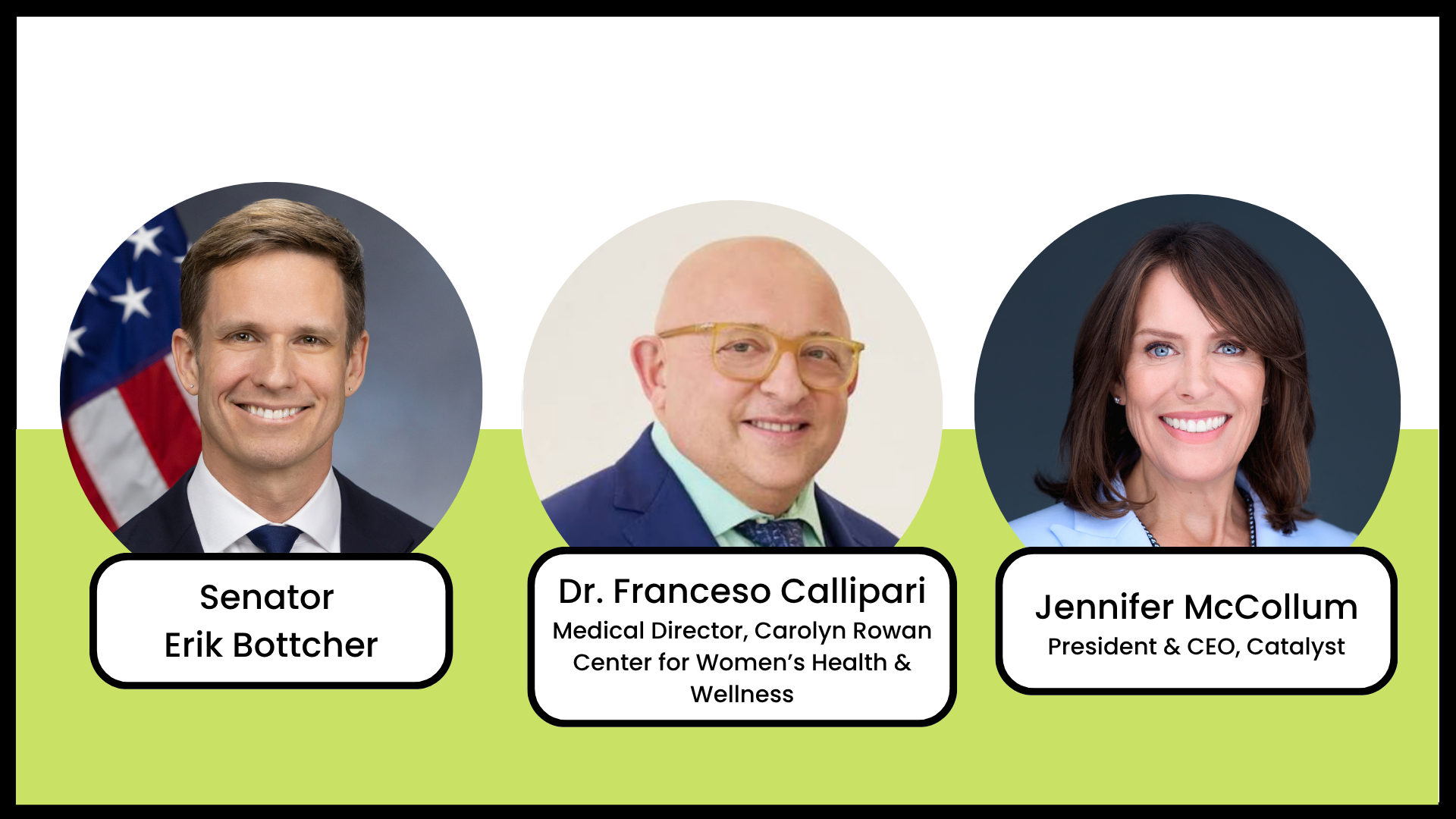
Erik Bottcher is a dedicated public servant and activist who has devoted his life to progressive causes and the betterment of the community he loves. In 2026, he was elected to represent New York State Senate District 47, which includes the Upper West Side, Hell’s Kitchen, Chelsea, and parts of Greenwich Village. His mission is simple yet vital: making New York a better place to live for everyone.
Growing up in a small town in the Adirondack Mountains as the only gay person he knew, Erik’s personal struggles with depression sparked in him a lifelong dedication to helping the most marginalized members of society. His career in public service began in 2009 as the LGBTQ & HIV/AIDS Community Liaison in the New York City Council’s community outreach unit, where he organized grassroots campaigns on issues including hate crimes, transgender rights, housing for people living with HIV/AIDS, and marriage equality.
Erik then served as the statewide LGBTQ Community Liaison in the Governor’s Office, where he helped organize the successful fight for marriage equality in New York State. Working with activists from Buffalo to Montauk, he helped lead an unprecedented grassroots campaign to build public support for the Marriage Equality Act. In 2011, New York made history as the largest state in the nation to legalize same sex marriage at the time.
From 2015 to 2021, Erik served as Chief of Staff to New York City Council Speaker Corey Johnson. In that role he developed a deep knowledge of every block of Manhattan’s West Side while providing constituent services to tens of thousands of residents and working alongside tenant associations, block associations, community boards, PTAs, parks groups, and local organizations — all in an effort to improve his neighbors' quality of life.
In 2021, Erik was elected to represent Council District 3 in the New York City Council, serving neighborhoods including the West Village, Chelsea, Hell’s Kitchen, Times Square, Hudson Square, Flatiron, and the Garment District. During his time on the Council he built a reputation as one of the body’s most active and effective members, leading on issues such as mental health services, housing affordability, sanitation reform, and environmental sustainability.
Erik authored and passed landmark legislation expanding mental health services in family homeless shelters and strengthening suicide prevention resources for students. He also championed major sanitation reforms, including efforts to containerize trash, reduce single-use plastics, and improve neighborhood cleanliness. Recognizing the urgency of the housing crisis, Erik worked to create a pipeline of thousands of new homes in Council District 3, including permanently affordable housing.
Environmental sustainability has also been a major focus of Erik’s work. He secured funding to plant hundreds of new street trees in his district and authored legislation establishing New York City’s Urban Forest Master Plan, which set a goal of increasing the city’s tree canopy coverage to 30 percent. He has also supported universal curbside composting, improvements to parks and playgrounds, and the expansion of protected bike lanes.
As a State Senator, Erik is continuing his work to advance public safety and public health. He has introduced first-in-the-nation legislation requiring graphic warning imagery in gun stores to illustrate the lethal risks of firearms in the home, modeled on public health warnings used on cigarette packaging in other countries.
Today, Senator Bottcher serves as Chair of the New York State Senate Cities 1 Committee, which focuses on issues affecting New York City. He also serves on the Senate Committees on Corporations, Authorities & Commissions; Environmental Conservation; Intergovernmental Affairs; Judiciary; Libraries; Civil Service & Pensions; and Alcoholism & Drug Abuse.
Senator Bottcher lives in Manhattan and remains deeply committed to building a more affordable, sustainable, and inclusive New York for all.
-
Francesco Callipari, MD, is a board certified obstetrician-gynecologist and serves as the System Chief Operating Officer and as System Vice-Chair of Operations in the Raquel and Jaime Gilinski Department of Obstetrics, Gynecology and Reproductive Science at the Icahn School of Medicine at Mount Sinai. Dr. Callipari is also the Medical Director of the Carolyn Rowan Center for Women’s Health and Wellness at Mount Sinai.
Additionally, he serves as Medical Director for the OB/GYN Faculty Practice at The Mount Sinai Hospital and is the Medical Director for the inpatient physician assistant staff. In his practice, Dr. Callipari focuses on general obstetrics and gynecology, with special interest in women’s midlife health. He is a Menopause Society Certified Practitioner.
Dr. Callipari is a member of the American College of Obstetricians and Gynecologists (ACOG) and the recipient of ACOG’s National Faculty Award, presented to physicians who demonstrate excellence in resident education. He also has been honored with the Medical Student Teaching Award for OB/GYN.
Dr. Callipari earned his medical degree from the University of Medicine and Dentistry of New Jersey and completed his residency in obstetrics and gynecology at The Mount Sinai Hospital. He also completed a fellowship in integrative medicine with the Andrew Weil Center for Integrative Medicine through the University of Arizona.
-
Ed Ramos is COO, CSO, and co-founder of GSD Health Research, a CRO built to close the evidence gap in women's health. He brings nearly 20 years across academia, government, and industry, including a pivotal role in population genomics and precision medicine at the NIH and co-founding the Scripps Research Digital Trials Center, where he serves as Senior Director.
Ed has spent the past decade designing and executing decentralized, digitally enabled clinical trials, serving as principal investigator on efforts such as multimodal studies exploring drivers of metabolic disease, digital signatures associated with maternal health outcomes, and studies around sleep and cognition. At GSD, he applies that operational depth (multimodal data integration, remote enrollment and retention, fit-for-purpose protocol design) to studies that reach the populations clinical research has historically missed.
A passionate advocate for inclusive science, Ed is committed to driving innovation in clinical trials that not only advance medical knowledge but also improve health equity and access. -
Keegan Bailey is an experienced healthcare leader with over 20 years of expertise in value-based care, health technology, and data-driven decision-making. He has played a key role in reshaping healthcare delivery, particularly in remote patient monitoring and digital health. As the Founder and Chief Value Architect of Navaste Health, he advises organizations on healthcare strategy, operations, and technology. Previously, Keegan served as the CEO of Acuitas Health, leading value-based care transformation. Keegan’s career also includes strategic roles in health information technology, population health solutions, and advanced analytics integration. Keegan is Co-founder of the eCommerce venture Send Me Waffles and his work continues to influence the future of healthcare through technology and innovation. Keegan holds a Master’s in Health Policy and Management and is a Clinical Assistant Professor at the University at Albany.
-
Jennifer McCollum is a recognized CEO, speaker, and leadership expert on a mission to build more inclusive workplaces by advancing women and engaging men as partners in equity.
She is the author of Men at Work: The Roadmap to Gender Partnership, a powerful call for men to move beyond passive support toward shared leadership. She also wrote In Her Own Voice: A Woman’s Rise to CEO, which explores the challenges women face on the path to leadership through data and personal storytelling.
Jennifer currently serves as President & CEO of Catalyst, a global nonprofit dedicated to accelerating progress for women at work. Previously, she was the first female CEO of Linkage, a leadership development firm focused on changing the face of leadership, where she successfully led its acquisition by SHRM (the Society for Human Resource Management). Her insights have appeared in The Wall Street Journal, Fast Company, Forbes, and Psychology Today, and she’s spoken on hundreds of stages worldwide.
She is an avid tennis player and skier, the mother of three, and lives in the Washington, DC, area with her husband.
2:45- 3:15: The Male Ally in Practice

-
What does it actually take to move from recognizing a workforce need to implementing meaningful, enterprise-wide change?
In this session, Dr. Joanne Armstrong, Chief Medical Officer of Women’s Health & Genomics at CVS Health, will share how CVS identified gaps in support for its female employee population and translated that insight into a comprehensive, scalable strategy. From the initial business case and internal alignment to program design, rollout, and measurement, this is a practical look at what it takes to operationalize change inside a complex organization.
Designed as an instructional session, the discussion will unpack key decisions, trade-offs, and lessons learned, giving leaders a clear framework for how to move from idea to implementation within their own organizations.
-
With more than 20 years in the field both as a practicing OB-GYN and health policy expert, Dr. Armstrong’s mission is to help solve for women’s health needs through clinical, policy and societal lenses. Dr. Armstrong is vice president and chief medical officer of women’s health and genomics at CVS Health. She is also associate professor of Obstetrics, Gynecology and Reproductive Sciences at the University of Texas Health Science Center at Houston (UTH).
At CVS Health, Dr. Armstrong leads the women’s health and genomics strategy, program/product development, and cost management initiatives across the company. In this role, she works with lines of business and external collaborators to drive innovation, transformation, and improve outcomes in women’s health and genomics on a national scale.
As a practicing physician at UTH, Dr. Armstrong provides direct patient care and supports medical student and resident education. She has practiced in a variety of health care delivery systems, including academic, public health and private practice settings.
Dr. Armstrong is a graduate of Cornell University (A.B.) and has additional training in epidemiology from the University of Michigan, School of Public Health (M.P.H.) She received her MD degree from Rutgers University, New Jersey Medical School and completed residency training in obstetrics and gynecology at Women and Infants Hospital of Rhode Island, Brown University. She is board certified in obstetrics and gynecology. She also completed a primary health care policy fellowship through the U.S. Department of Health and Human Services.
-
3:15 - 3:45: From Insight to Implementation Plan: The 12 Month Action Plan

-
The previous session demonstrated how a committed leader can turn insight into a meaningful 12-month action plan. Now, the focus shifts to you: What will you take from today, and how will you begin putting it into practice?
In this interactive closing session, celebrity chef Carla Hall and executive coach Deborah Grayson Riegel combine original research involving 1,100 women across 60 countries with the MeMenu framework to help attendees move from intention to action. Participants will choose one idea from the Summit they want to advance, identify the resistance, uncertainty or fear of failure that could stand in the way, and use a new “flavor” of thinking to reframe that barrier.
Each attendee will leave with one mindset to adopt, one skill to strengthen and one behavior to practice, enabling you to create a practical first step toward becoming the kind of leader who not only supports change, but helps embed it within workplace culture.
-
Carla Hall is a celebrated chef, TV personality, and author known for her appearances on Top Chef and The Chew. With her signature catchphrase "Hootie Hoo!" and infectious warmth, Carla has built a career on making cooking—and life—more joyful and accessible. She brings her culinary expertise and authentic personality to The MeMenu, transforming complex personal development concepts into digestible, actionable steps.
Key Credentials:
Top Chef finalist & fan favorite
Co-host of ABC's The Chew (7 years)
Multiple cookbook author
L'Academie de Cuisine graduate
Former model turned chef entrepreneur -
Deborah Grayson Riegel is a keynote speaker and consultant who teaches leadership communication for Wharton Business School, Duke Business School, and Columbia Business School. She is a regular contributor for Harvard Business Review, Inc., Psychology Today, Forbes, and Fast Company. Deb consults and speaks for clients including Amazon, BlackRock, Bloomberg, HBA, Johnson & Johnson, PepsiCo, and The United States Army. Her work has been featured in worldwide media, including Bloomberg Businessweek, The Wall Street Journal, and The New York Times. She is the co-author of the new book, “Aim High and Bounce Back: A Successful Woman’s Guide to Rethinking and Rising Up from Failure”
3:45 - 4:30: From Plan to Practice: The Reframing Recipe
4:30 - 4:40: Closing Comments - The Multiplier Effect: Small Changes that Scale
-
The day concludes by bringing together the Summit's key themes and insights, highlighting how meaningful progress is often driven not by sweeping transformation, but by intentional changes that are amplified across teams, policies, and organizations. This closing reflection will challenge leaders to identify the actions that can create lasting impact and demonstrate how small shifts, when multiplied across systems, have the power to reshape the future of work.
-
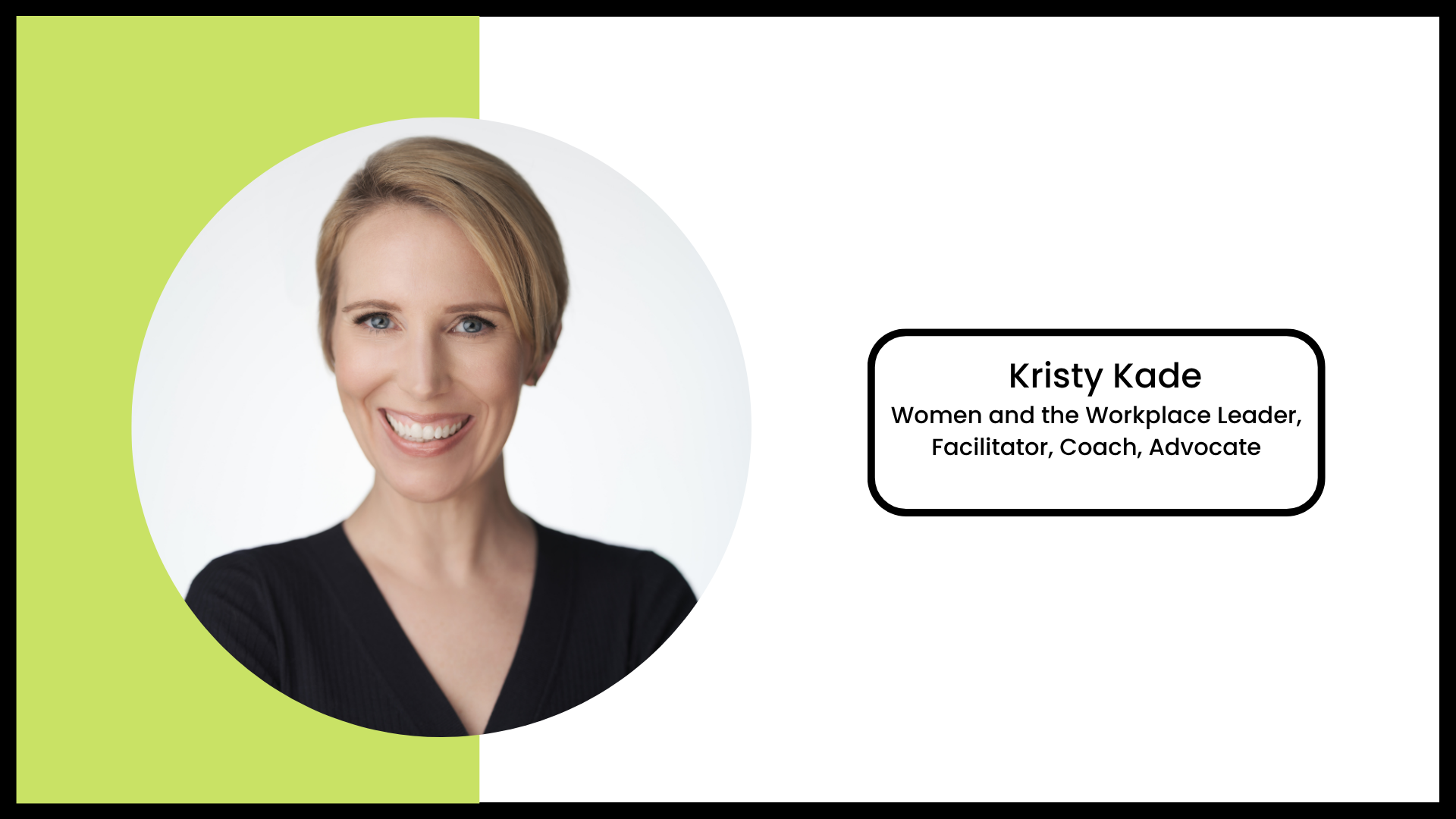
For more than two decades, Kristy Kade has dauntlessly advocated for the health and rights of women and girls around the world. In roles stretching from local organizer to global CEO, Kristy has sparked both policy and social changes in communities and companies across six continents. Furthermore, her work has helped revolutionize how business is conducted within the social impact sector. As co-chair of the global What Women Want campaign, she turned the once radical notion of “asking women” into standard operating procedure for multiple, leading corporations, governments, non-profits, philanthropic foundations, and UN agencies. For every dollar spent asking and advocating what women want, the campaign saw a $212 return on public and private investment in women’s self-identified priorities. Kristy subsequently founded the World We Want project to further expand and embed the practice across issues, populations, and sectors. Kristy has served as a senior advisor to a host of public health and social justice organizations and alliances, such as the Gates Foundation; Partnership for Maternal, Newborn, and Child Health; Special Olympics; UNICEF; UNFPA; UN Women; Women’s Business Collaborative; World Economic Forum Women’s and Girl’s Health Initiative; and W7.
Of the changes Kristy has pursued throughout her life and career, she believes those made within the workplace are among the most powerful. As a collaborative leader of teams, departments, and organizations—both large and small—Krisy has transformed behaviors, processes, and structures to make them better places to work for women, and ultimately better at what they do. A highly skilled strategist and facilitator, Kristy is now committed to helping other organizations and leaders enhance their culture and impact. People spend most of their time at work. We remake work, we remake the world.